Steps to Take After Finding Mold in Your Home
November 9, 2025
What Are the Signs of Freezing Damage in a Commercial Building?
January 13, 2026
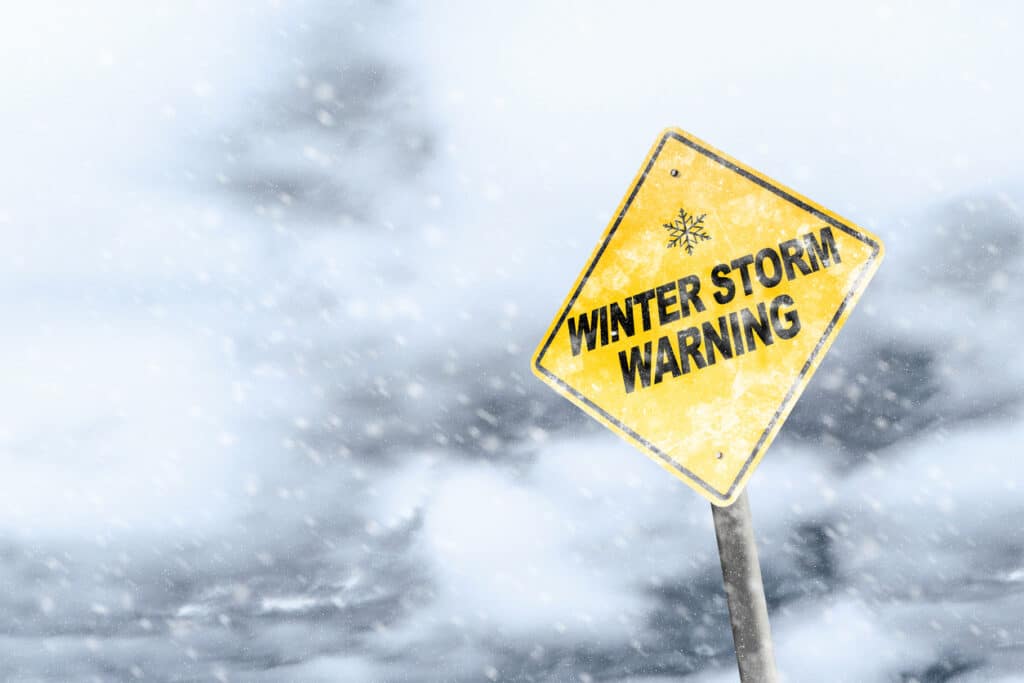
In recent years, Texas has faced increasingly severe winter weather events that have tested the readiness of residents, infrastructure, and emergency systems. The winter storm in February 2021 left millions without power and caused widespread water damage, prompting a shift in how Texans prepare for extreme cold. While Texas is known for its hot summers, the growing unpredictability of winter weather has made it critical for homeowners to take winter preparedness seriously.
Do not wait until a winter storm is on the horizon. At JDR Restoration, we have seen firsthand how devastating freezing temperatures can be to Texas homes and businesses. No matter where you live in Texas, preparation starts today.
Understand the Risks of Texas Winter Storms
Unlike northern states, Texas infrastructure and homes are not always built to withstand prolonged freezing temperatures. Many homes lack proper insulation and heating systems that can endure extreme cold. Power grids may become strained or fail altogether. Water pipes are often exposed or poorly insulated, making them highly vulnerable to freezing and bursting.
Texas winter storms also bring the potential for icy roads, food and water shortages, and limited emergency services due to overwhelmed systems. Recognizing these vulnerabilities is the first step in protecting yourself and your property.
Create an Emergency Plan for Your Household
Start by establishing a clear emergency plan that outlines how your household will respond to a winter storm. This includes:
- Identifying a safe, warm place in your home where everyone can gather during a power outage.
- Assigning responsibilities to each household member, such as who will check on the pipes or manage supplies.
- Ensuring you have a way to communicate with family and emergency services if cellular service is disrupted.
Include contingency plans for evacuation if your home becomes unsafe due to structural issues or prolonged power failure.
Insulate and Protect Plumbing
Frozen and burst pipes are one of the most common and costly problems during a Texas winter storm. To prevent this:
- Wrap exposed pipes in foam insulation or heat tape.
- Seal cracks and holes near pipes to prevent cold air from entering.
- Open cabinet doors under sinks to allow warm air to circulate around the plumbing.
- Let faucets drip slowly to keep water moving and reduce pressure buildup.
If you plan to be away during a cold front, shut off the main water valve and drain your pipes to avoid flooding in your absence.
Prepare for Power Outages
Power outages in Texas can last from a few hours to several days during a major winter event. It is essential to be ready for such disruptions:
- Invest in a backup power source such as a generator or battery-powered power station. Be sure to follow all safety guidelines for their use, especially regarding ventilation.
- Stock up on extra blankets, sleeping bags, and warm clothing to stay warm without electric heating.
- Use battery-powered lanterns and flashlights instead of candles to reduce fire risk.
- Charge mobile devices in advance and consider portable power banks.
Homeowners should also install carbon monoxide detectors to prevent poisoning from improperly ventilated heating sources such as gas stoves or portable heaters.
Maintain a Stockpile of Essential Supplies
A well-prepared home should have enough supplies to last at least three days without access to outside help. Your emergency kit should include:
- Non-perishable food items and manual can openers.
- One gallon of water per person per day.
- Prescription medications and essential health supplies.
- First-aid kit.
- Hygiene products such as wet wipes, soap, and toilet paper.
- Batteries, chargers, and a battery-operated weather radio.
Consider the needs of pets and babies when preparing your emergency stockpile.
Winterize Your Home and Property
Beyond plumbing, take additional steps to winterize your home and reduce the risk of damage:
- Inspect your roof for damage or weak points where ice or snow accumulation could lead to leaks.
- Clean gutters to prevent ice dams and water overflow.
- Install weather stripping on doors and windows to reduce drafts and heat loss.
- Use insulated curtains to retain indoor warmth.
- Store outdoor furniture and secure any objects that could become hazardous in strong winds or ice.
If you have a fireplace, ensure the chimney is clean and in working order. Stock up on dry firewood if it is part of your heating plan.
Prepare Your Vehicle for Emergencies
While staying off the roads is recommended during severe winter storms, sometimes travel may be unavoidable. In such cases:
- Keep your gas tank at least half full to prevent fuel line freezing.
- Check tire pressure and tread, and consider winter tires if you live in a region with regular snowfall.
- Carry an emergency kit in your car with blankets, snacks, water, a flashlight, jumper cables, and a small shovel.
Do not attempt to drive during freezing rain or heavy snow unless absolutely necessary, and always check road conditions before heading out.
Stay Informed Through Reliable Sources
Stay updated with weather forecasts and emergency notifications through trusted sources such as:
- The National Weather Service (NWS)
- Local news stations and government websites
- Weather alert apps with push notifications
Protect Important Documents and Valuables
In the event of flooding or extended power outages, important documents and valuables may be at risk. Store essential papers such as identification, insurance policies, and medical records in waterproof containers. Consider making digital backups stored securely online.
For added protection, elevate electronics and valuables off the floor, especially in areas susceptible to water intrusion such as basements or low-level rooms.
Review and Update Home Insurance Coverage
Before the winter season begins, review your homeowners insurance policy to ensure it covers winter-related damage such as burst pipes or roof collapse from ice. Contact your provider to clarify what is included and whether additional coverage is recommended.
Take photos of your property and belongings for documentation purposes, which can help streamline insurance claims in the event of damage.
Know When to Call a Professional
If your home sustains damage from a winter storm, contacting professionals quickly can prevent further issues. Restoration experts like JDR Restoration specialize in water damage, mold prevention, and structural repairs caused by freezing conditions. Acting fast is essential to protect the safety of your home and family.
Do not attempt risky repairs on your own, especially when dealing with electrical systems or major structural issues. Trust experienced professionals to guide the recovery process.
After the Storm: Safety and Inspection
Once the storm has passed, conduct a careful inspection of your home:
- Look for signs of roof leaks or ceiling discoloration.
- Check pipes for leaks or cracks, even if no freezing was detected during the storm.
- Examine exterior walls, doors, and windows for damage or warping.
- Ensure heating and electrical systems are functioning safely before using them.
If any part of your home appears compromised, do not hesitate to call a licensed contractor or restoration service for a professional assessment.
Take Action Now to Protect Your Home from the Next Texas Winter Storm
Preparing for a Texas winter storm requires proactive planning and attention to detail. Given the state’s history of severe and unexpected winter events, every homeowner and resident should treat winter readiness as a top priority. The steps outlined above will help minimize the risk of damage, ensure your safety, and provide peace of mind during uncertain weather conditions.
At JDR Restoration, we are committed to helping Texas residents protect and restore their homes before, during, and after a storm. With the right preparation, you can confidently face even the harshest winter conditions Texas has to offer.